
%201.webp)
A spreader seizing up mid-application. A loader attachment failing during calving. The timing is never convenient, and it's rarely a surprise to anyone who's put off a service. Good agricultural machinery maintenance is what separates operations that run smoothly through the season from those that spend it firefighting. We've put together a practical guide on keeping your gear in condition, along with a checklist to run before every busy period.
Why Regular Maintenance Is Essential for Agricultural Machinery
Wet winters, hard frosts, dusty summers and steep, uneven country all put extra strain on machinery. Grease points dry out, hydraulic seals wear, and bolts work loose long before there's any visible sign of trouble.
Maintenance protects the investment you've made and helps your gear perform the way it was designed to when you need it.
The Cost of Unexpected Breakdowns During Busy Farming Seasons
Every region has its own crunch points: spring calving, hay and silage season, or the autumn spreading window. A machine going down during one of these periods doesn't just cost a repair bill. It ends up costing the work that didn't get done, the booking you might lose, and the flow-on effect to everything else scheduled that week.
Preventative maintenance is generally more cost-effective than reactive repair, though the outcome depends on the machine, the fault and how it's caught.
Reduced Downtime During Critical Farming Periods
The goal of any maintenance programme is to keep the machine working when you need it working. That means building servicing into your calendar rather than treating it as an afterthought once something's gone wrong. A few habits that help:
- Service in the off-season, not the week before you need the machine, so parts and labour aren't competing with everyone else's last-minute jobs.
- Log hours and wear points for each machine so patterns show up before they turn into failures.
- Stock common wear parts (pins, bushes, spreader vanes, bearings) so a quick fix doesn't turn into a week-long wait on a courier.
- Build a relationship with your dealer, so parts and advice can turn around quickly when you're under pressure.
- Prepare gear for lay-up, retracting hydraulic rams, keeping tyres off flat spots, and touching up bare metal before machinery sits idle over summer or winter.

Essential Agricultural Machinery Maintenance Checklist
Run through this agricultural machinery maintenance checklist before the season starts, and again at the halfway mark if the machine is under heavy use.
Treat it as a starting point alongside your machine's specific service manual, as intervals vary by model and workload.
- Grease points: daily during heavy use, or at minimum every 8 to 10 hours, covering every pin, bush and pivot, not just the ones that are easy to reach.
- Hydraulic hoses and fittings: check for cracking, weeping or chafing against the frame, and confirm fluid levels and condition.
- Pins and bushes: look for excess play, which points to wear that will only get worse under load.
- Welds and structural points: inspect for hairline cracks, particularly around high-stress areas on loader attachments and spreaders.
- Bolts and fasteners: re-torque to the manufacturer's spec, especially after the first 20 or so hours on new or rebuilt equipment.
- Spreader components: discs, vanes and agitators for wear against the manufacturer's replacement limits, plus gearbox oil level and calibration to confirm application rates are accurate.
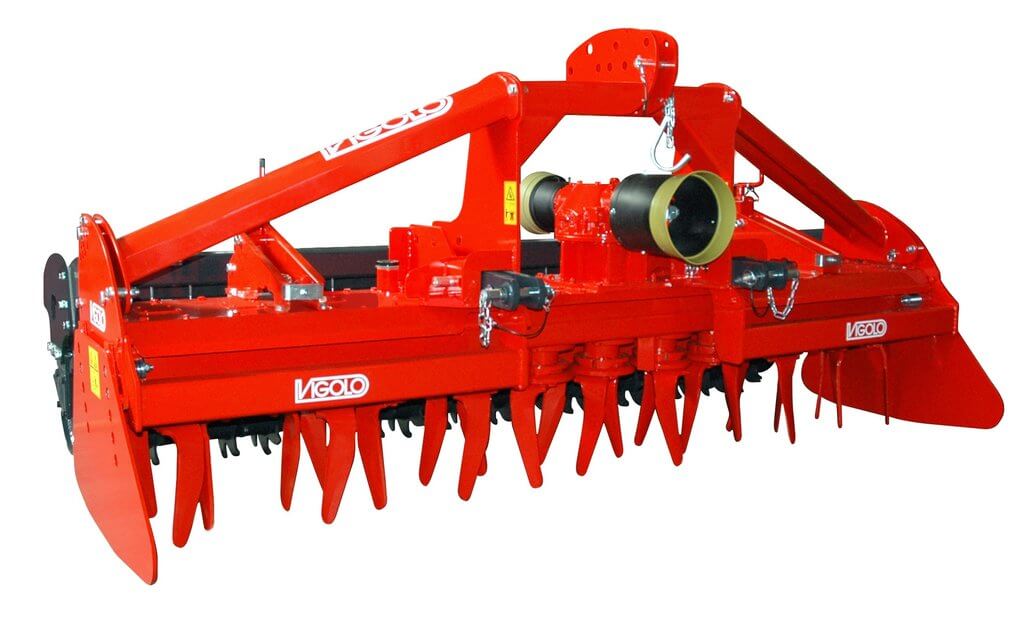
- Aerator tines and legs: check for wear, straightness and secure mounting.
- PTO shafts and guards: confirm U-joints move freely and guards are intact and in place.
- Tyres and wheel bearings: pressure, tread and play, particularly on equipment that sits idle between seasons.
- Paint, coatings and safety decals: touch up exposed metal before surface rust sets in, and replace worn warning labels.
This guidance is general in nature. Always follow your machine's specific service schedule and talk to your dealer about anything model-specific.
Built for All Conditions, Backed by Nationwide Support
A maintenance routine only gets you so far if the equipment underneath it wasn't built for the job in the first place. Rata Equipment has been backing farmers with proven agricultural expertise for over 40 years, building loader attachments, aerators and Vogal fertiliser spreaders around what farmers really need. That experience shapes practical choices: accessible grease points, robust pin and bush arrangements, and attachments designed with paddock servicing in mind rather than a full pull-down every time something needs attention.
Our support doesn't stop at the sale. With dealers across New Zealand and Australia, you've got access to genuine parts, servicing advice and after-sales backing. If a maintenance question comes up or you need parts, your local Rata dealer is the first call to make.
Get in touch with your nearest dealer to talk through servicing your current Rata equipment, or to find the right attachment for the season ahead.
.webp "SS_05_onBlue V1 (1)")