Effective Soil Aeration:
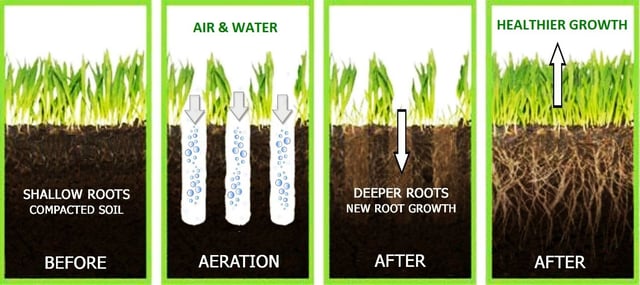
The purpose of soil aeration is to overcome soil compaction and its effects. Soil Compaction is created from heavy machinery and livestock hooves. Heavy machinery can cause compaction below the surface while soil compaction from livestock can be nearer the surface.
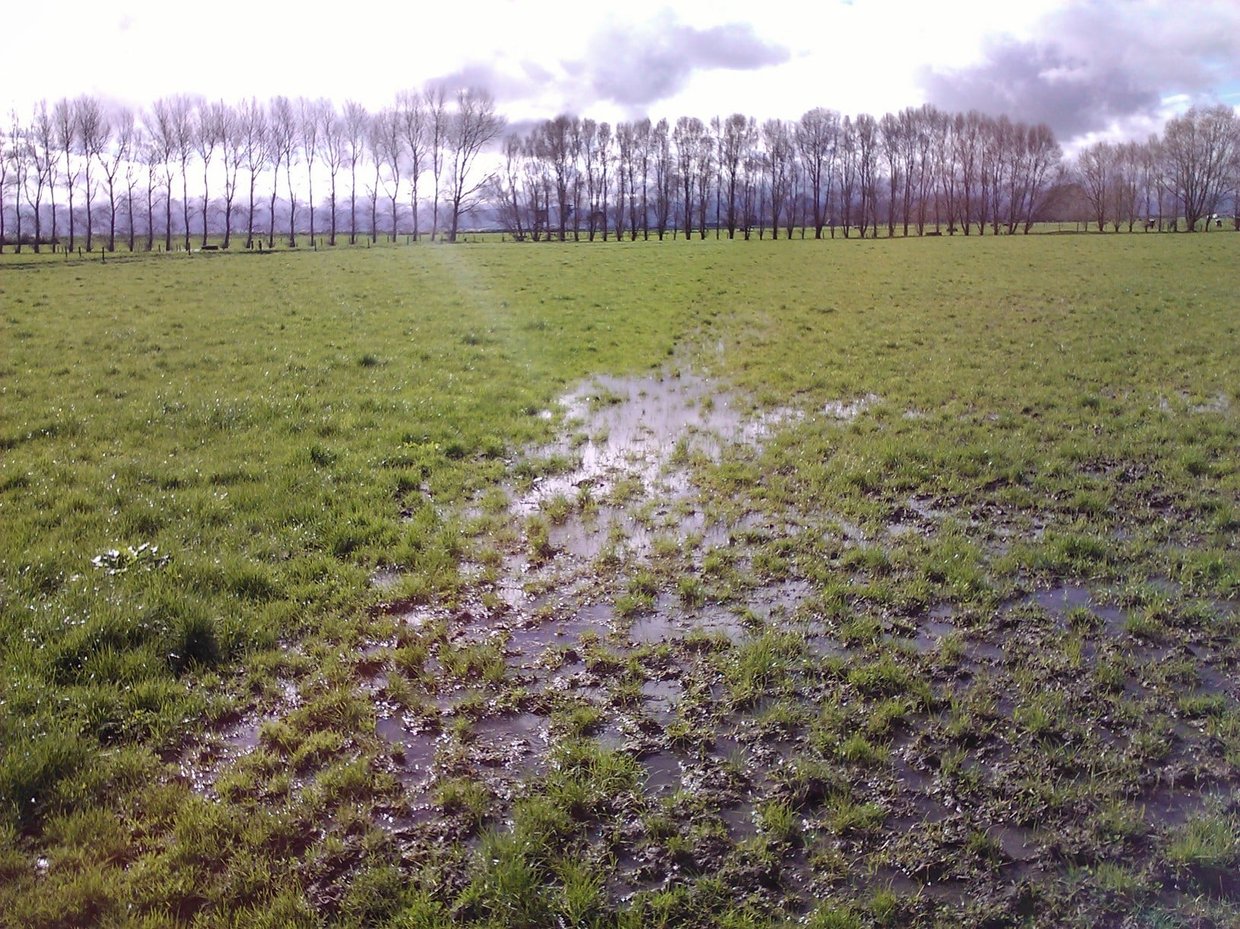
Water ponding: A sure sign of soil compaction.
Do you have water ponding like this after break grazing cattle? This will be a difficult area of the paddock to work with…
So, do you use winged or plain points on your aerator?
There has been extensive research done in New Zealand that demonstrated the outcome of using winged and conventional subsoiling methods. While subsoiling with wings on the points of the sub-soiler legs produced much higher yields than the non sub-soiled plot, the results generally indicated that the winged points did not appear to be more effective in the long term than the conventional point sub-soiler.
Here are some pointers to make the best possible job of soil aeration:
-
Not sub-soiling too deep: Excessive sub-soiling depth can cause nutrient leaching beyond the plant roots, the purpose is to get nutrients to the roots where its utilized, not beyond the reach of roots. Fuel is also wasted and excessive tractor wear and tear from the extra drag.
-
Avoid going too fast: This will cause excessive wear of the ground engaging points and legs.
-
Use skeith coulters: These are flat disc blades usually 18 inch that are mounted in front of the subsoil blade and the purpose is to cut the surface soil and trash clean, leaving a tidier job when aerating pastures.
-
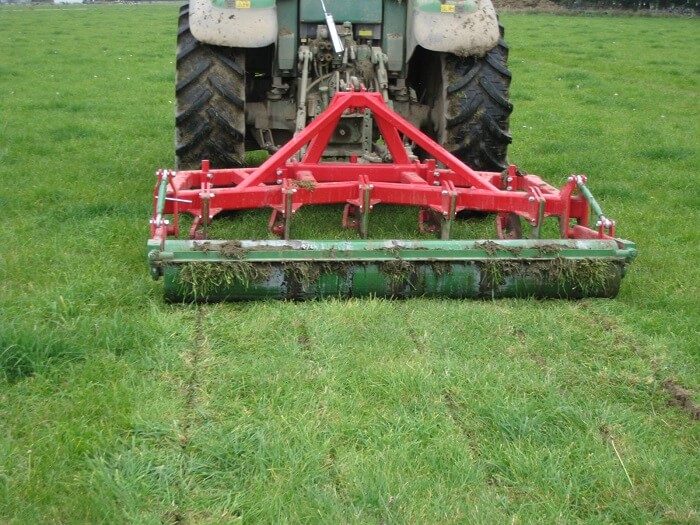
Use a roller attached behind the sub-soiler: This can be used as a depth control and for smoothening surface ripples.
-
V formation of sub-soil blades: This will greatly reduce the amount of power required to pull the sub-soiler and reduces the drag between the legs. Gives a tidier exit of the Subsoiler/Panerazor from the ground.
-
Two point linkage arms and top link: should be as close to horizontal as possible when working.
TO CONCLUDE:
Subsoiling substantially improves the soil physical conditions, increasing the overall porosity and air permeability. Improvements in soil physical properties are greatest immediately after subsoiling so the positive effects are soon visible by way of extra production, but are then still evident out to 22 months later in most soil types.
If possible farmers should subsoil after periods of moisture stress, perhaps in autumn to achieve maximum positive effect.
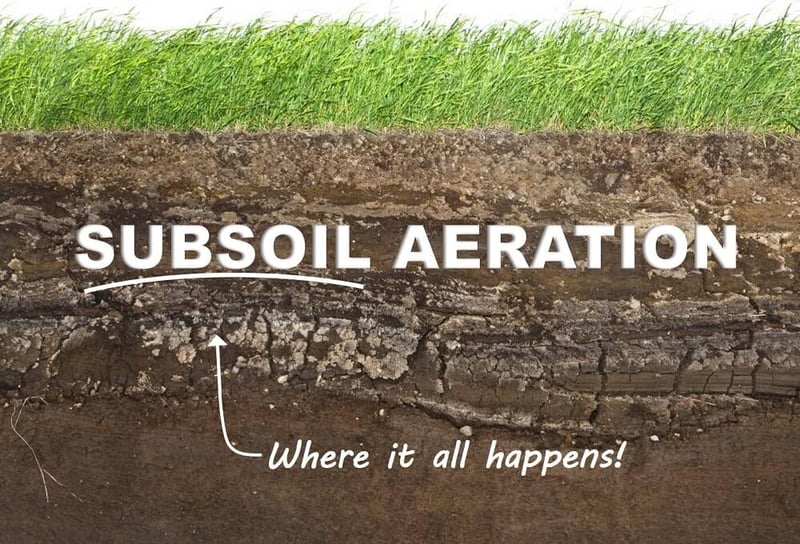
Read this blog to see how subsoil aeration works: Subsoil Aeration Benefits
Check out the sub-soiler in action here